
Patient-Reported Outcome Measure (PROM) that broadly captures the key elements of axis
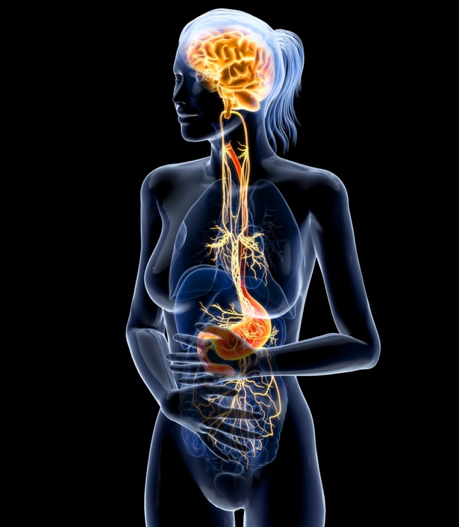
The concept of the “Gut-Brain Axis” (GBA) involves complex bidirectional communication, and as such, there is no single “best” Patient-Reported Outcome Measure (PROM) that captures the entire axis.
The most valid, reliable, and responsive PROMs are condition-specific and focus on either the gastrointestinal (GI) symptoms, the related mental health aspects, or the link between the two.
Recommended PROMs for Gut-Brain Axis Research
Research and clinical practice often use a combination of validated generic and condition-specific PROMs to assess the various domains of the GBA.
Condition-Specific GI PROMs (High Validity/Reliability for GI Symptoms)
For assessing the gastrointestinal component of the gut-brain interaction (often framed as Disorders of Gut-Brain Interaction or DGBIs), the following are highly regarded:


IBS Quality of Life (IBS-QOL) Questionnaire: This instrument has the most extensive data supporting its validity and ability to measure patient health-related quality of life (HRQOL) over time in patients with Irritable Bowel Syndrome (IBS), a classic DGBI. Change in scores often correlates well with other health features, making it responsive to treatment outcomes.
NOTE – The IBS-QOL is a gold-standard, well-validated instrument, but it is NOT freely available. You must obtain formal permission from Novartis Pharmaceuticals Corporation and/or the original authors before using it in any capacity (research, clinical practice, or publication).
Patient-Reported Outcome Measurement Information System (PROMIS) GI Symptom Domains: Developed as a National Institutes of Health (NIH) initiative, the PROMIS system includes item banks for specific GI symptoms like belly pain, bloating, diarrhea, and constipation. These are designed using advanced psychometrics to be highly reliable and individualized, often considered a new standard in PROM measurement.
Gastrointestinal Symptom Rating Scale (GSRS): While initial validation was limited, subsequent studies have shown good inter-rater reliability for specific subscales (e.g., abdominal pain, diarrhea). It is used to quantify symptom severity and evaluate treatment response.
GBA-Specific PROMs (Emerging Tools Linking Gut & Brain)
More recent efforts focus on developing tools specifically designed
Alimetry Gut-Brain Axis (AGBW) Survey: A recent study described the development and validation of this survey, a brief scale for assessing mental health (depression, stress, anxiety subscales) in patients with chronic gastroduodenal symptoms. It demonstrated high internal consistency and good convergent, divergent, and concurrent validity, making it a promising tool to evaluate treatment outcomes in a multidisciplinary setting.
To capture the interaction:
- Gut-Brain Axis Questionnaire (GBAQ): Described as a “promising tool” in research, this instrument links patient-reported exposures and outcomes to the gut-brain axis, associating symptoms like psychosis with gut hypomotility.
Generic Mental Health PROMs
Because the gut-brain axis heavily involves mental health, standard, highly validated mental health PROMs are often used in conjunction with GI-specific measures:
- Patient Health Questionnaire-9 (PHQ-9): A highly reliable and validated measure for depression.
- Generalized Anxiety Disorder-7 (GAD-7): A highly reliable and validated measure for anxiety.


Summary
For the “best” results in research or clinical evaluation, experts recommend using a combination of a validated condition-specific GI PROM (like the IBS-QOL or PROMIS GI domains) and a general mental health PROM (PHQ-9/GAD-7), or the newer, integrated AGBW survey.
- The choice depends heavily on the specific research question (e.g., measuring physical symptoms vs. the mental health impact).
Comprehensive Assessment Protocol for Gut-Brain Axis Evaluation – A Fully Free, Evidence-Based Battery for Clinical and Educational Settings